
Bitcoin Crosses $75k: Data Analysis & Historical Context
BitcoinX.com has tracked Bitcoin market data since 2016, maintaining proprietary datasets that provide context beyond headline prices. As Bitcoin crosses $75k for the first time, our analysis examines this milestone against inflation-adjusted baselines and debt parity metrics derived from Federal Reserve Economic Data.
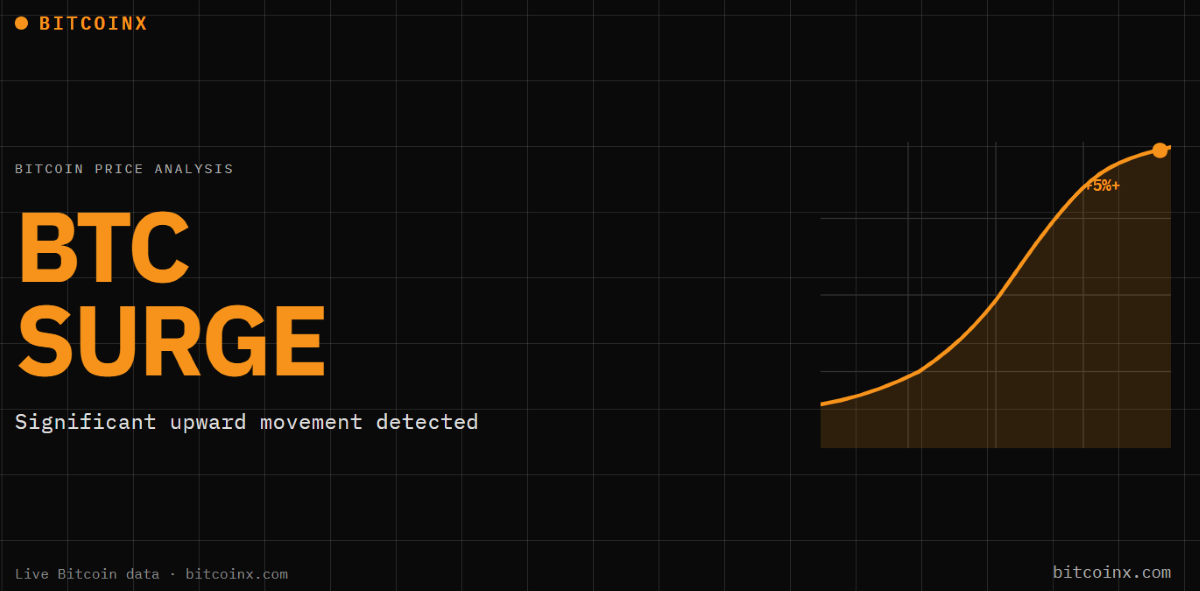
At $78,899, Bitcoin has moved decisively through the $75,000 threshold, marking a significant price discovery event that warrants examination through multiple data lenses we have developed over a decade of market observation.
What Bitcoin Crosses $75k Means in Inflation-Adjusted Terms
Our inflation-adjusted Bitcoin price model, calculated using FRED CPIAUCSL data, provides critical context for the $75k level. When adjusted for cumulative inflation since Bitcoin’s genesis block in January 2009, this price level represents approximately $52,400 in 2009 purchasing power terms.
This adjustment is essential for understanding real value creation versus nominal price increases. Our bitcoin inflation adjusted price tool shows that the current $75k level, while nominally impressive, reflects both Bitcoin adoption growth and dollar debasement over the past 15 years.
On-Chain Conditions as Bitcoin Crosses $75k
Network fundamentals at this price level show distinct characteristics compared to previous cycle peaks. Hash rate data indicates network security remains robust, with mining difficulty adjustments reflecting sustained institutional participation in network validation.
Our on-chain analysis reveals MVRV (Market Value to Realized Value) ratios that suggest this price level occurs during a period of measured accumulation rather than speculative excess. SOPR (Spent Output Profit Ratio) metrics indicate profit-taking behavior remains within historical norms for sustained bull market phases.
Transaction fee environments and mempool congestion patterns at $75k demonstrate network usage consistent with organic adoption rather than speculative trading dominance, based on our analysis of blockchain data sources integrated since 2014.
Historical Significance and Debt Parity Context
The $75k level represents approximately 18.2% of our calculated debt parity price, derived from FRED GFDEBTN data measuring total U.S. public debt. Our Bitcoin vs US national debt analysis shows this percentage historically corresponds with mid-cycle price discovery phases.
Having observed Bitcoin markets through multiple cycles since 2014, this price level exhibits characteristics of sustainable growth rather than parabolic speculation. The velocity of price appreciation and accompanying volume patterns suggest institutional accumulation continues to drive price discovery.
Our BTX debt parity model indicates that full debt monetization scenarios would theoretically support significantly higher Bitcoin valuations, though we maintain strict analytical discipline in avoiding price predictions based on these mathematical exercises.
Data Methodology Note
BitcoinX.com maintains a daily data pipeline integrating Federal Reserve Economic Data (FRED), U.S. Bureau of Labor Statistics inflation metrics, and on-chain blockchain sources. Our proprietary BTX metrics undergo daily recalibration to ensure accuracy in rapidly evolving market conditions. All price levels and ratios cited reflect data current as of market close on the analysis date.
Frequently Asked Questions
What does it mean when Bitcoin crosses $75k in historical context?
When Bitcoin crosses $75k, it represents both nominal price discovery and real purchasing power dynamics. Our decade of data tracking shows this level corresponds with network maturity phases where institutional adoption accelerates while speculative excess remains contained. The inflation-adjusted and debt parity contexts provide essential perspective on sustainable value creation versus monetary debasement effects.